

In a world where your fridge can remind you to buy milk and your thermostat knows when you’re cold, IoT notifications are the unsung heroes of modern convenience. Imagine a life where your devices not only talk to each other but also keep you in the loop. It’s like having a personal assistant who never takes a coffee break.
Understanding IoT Notifications
IoT notifications play a crucial role in optimizing user interactions with devices. These notifications inform users of relevant updates, alerts, and actions.
Definition of IoT Notifications
IoT notifications refer to automated messages that devices send to users or other devices. Such messages can include status updates, reminders, or alerts regarding various changes. Devices like smart thermostats, wearables, and home security systems utilize notifications to enhance user experience. Notifications can appear as push messages, emails, or alerts within applications. Their primary function is to keep users informed about device performance and operational status.
Importance of IoT Notifications
Importance of IoT notifications grows as smart homes become more prevalent. Notifications provide timely information, enabling users to make informed decisions quickly. For instance, a smart fridge might alert users when food is running low. Safety alerts from security systems can prompt immediate action to address potential threats. Furthermore, these notifications save time by automating tasks, simplifying daily management. Users can customize notification settings, ensuring they receive pertinent information without unnecessary interruptions.
Types of IoT Notifications
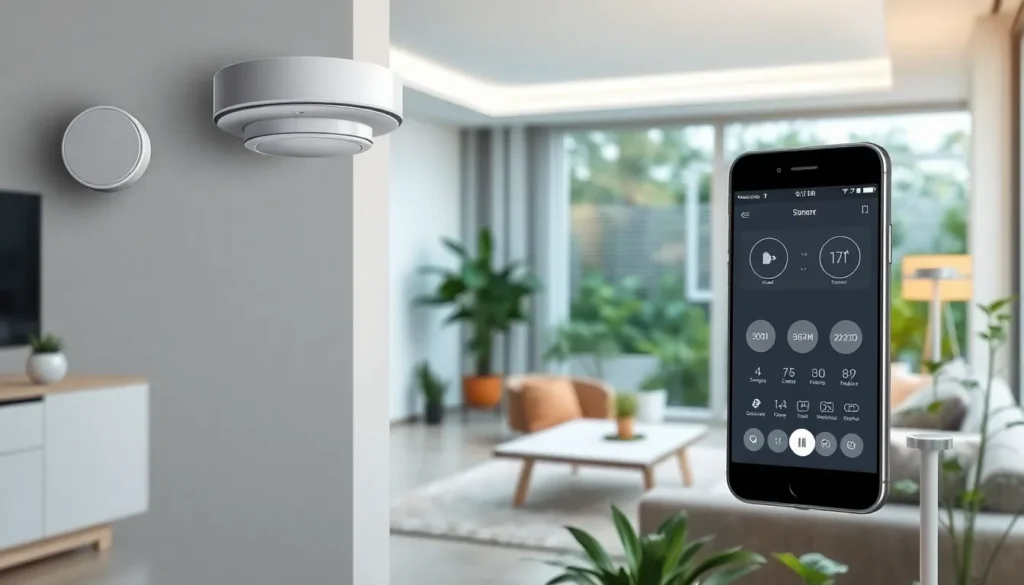
IoT notifications come in various forms to suit user needs. Understanding these types helps users maximize the benefits of their interconnected devices.
Real-Time Alerts
Real-time alerts provide immediate updates about device status or environmental changes. These alerts inform users about critical situations like security breaches or unusual temperature fluctuations. Device-operated sensors trigger notifications, ensuring users receive timely information. For example, a smart smoke detector sends an alert when smoke is detected, helping to take swift action. Users gain the ability to respond quickly to emergencies, enhancing their safety and device functionality. Additionally, real-time alerts facilitate seamless communication between devices, further automating household tasks.
Scheduled Notifications
Scheduled notifications send updates at predetermined times to streamline daily routines. Users benefit from reminders for tasks such as watering plants or changing air filters. These timely notifications contribute to efficient home management. For instance, a smart irrigation system can remind users to water their garden based on weather forecasts. Automating these reminders reduces the burden on users, allowing them to focus on other priorities. Enabling a customized notification schedule optimizes device usage and enhances interaction with smart home technology.
Benefits of IoT Notifications
IoT notifications provide numerous advantages for users and their interconnected devices. These notifications enhance convenience and operational efficiency in managing daily tasks.
Enhanced User Experience
IoT notifications significantly improve user experience by offering timely and relevant information. Users receive alerts that keep them informed about device performance and status. Customization allows individuals to select notifications that suit their preferences, avoiding unnecessary distractions. Immediate access to data fosters a better connection between users and their devices. Seamless communication across devices simplifies interaction, creating a smart home environment that feels intuitive. Providing insights, these notifications empower users to make informed decisions quickly.
Increased Operational Efficiency
Operational efficiency sees a substantial boost through IoT notifications. Automation plays a vital role in streamlining household management. Real-time alerts enable users to act promptly during emergencies, mitigating potential risks. Scheduled notifications aid in routine maintenance tasks, reducing the likelihood of overlooked responsibilities. Users benefit from decreased manual intervention, allowing them to focus on other important activities. In summary, IoT notifications facilitate smoother operations within smart homes, promoting an overall streamlined lifestyle.
Challenges in Implementing IoT Notifications
Implementing IoT notifications presents various challenges that organizations must address to ensure effective communication between devices and users.
Security Concerns
Security poses a significant challenge in the realm of IoT notifications. Devices often transmit sensitive data, making them vulnerable to cyberattacks. Hackers may exploit weaknesses in communication channels, potentially accessing personal information. Moreover, unauthorized access to notifications could lead to breaches of privacy, resulting in data misuse. Ensuring the encryption of data during transmission enhances security. Implementing strong authentication mechanisms further protects devices from cyber threats. Regular updates to security protocols mitigate risks, providing peace of mind to users.
Technical Limitations
Technical limitations hinder the widespread adoption of IoT notifications. Many devices rely on existing infrastructure, which may not support advanced notification capabilities. Connectivity issues often arise, especially in areas with poor network coverage. Limited battery life on devices can restrict the frequency of notifications, leading to missed alerts. Furthermore, interoperability between different brands and protocols causes integration challenges. Developers must create solutions that ensure seamless communication across platforms. Utilizing edge computing can reduce latency and enhance real-time notification delivery, improving user experience significantly.
Future Trends in IoT Notifications
Emerging trends in IoT notifications showcase advancements in technology, particularly in AI and machine learning. These innovations enable devices to analyze data, predict user behavior, and optimize notifications accordingly. As a result, devices provide more relevant updates based on users’ preferences, habits, and historical data. AI algorithms process real-time information, enhancing response times during emergencies. Machine learning continuously improves notification accuracy, ensuring timely alerts streamline user interactions.
Personalization of notifications significantly enhances user experience. Tailored updates allow individuals to prioritize information that matters to them, reducing distractions from unnecessary alerts. Users can customize settings to receive specific notifications for critical tasks, such as home security breaches or appliance maintenance. Adoption of adaptive algorithms ensures notifications evolve alongside user needs, maintaining relevance over time. Personalized notifications foster deeper engagement, encouraging users to interact more effectively with their IoT devices.
Conclusion
IoT notifications represent a significant advancement in how users interact with their smart devices. By providing timely updates and automating routine tasks, these notifications enhance overall efficiency and convenience in daily life. As technology evolves, the integration of AI and machine learning will further refine the personalization of notifications, ensuring users receive the most relevant information.
While challenges like security and interoperability remain, the ongoing development in this field promises to overcome these hurdles. As smart homes become more common, the role of IoT notifications will continue to grow, making them an essential component of modern living. Embracing this technology will lead to a more connected and efficient lifestyle.


