

In a world where even your fridge can remind you to buy milk, it’s time for clinics to join the party. Enter the Internet of Things (IoT)—the tech that’s transforming healthcare from a game of telephone into a well-orchestrated symphony. Imagine a clinic where devices communicate seamlessly, tracking patient health and streamlining operations. It’s not just smart; it’s downright genius!
Overview of IoT for Clinics
IoT is revolutionizing clinic operations and patient care. This integration of smart technology enhances efficiency and fosters better health outcomes.
Definition and Importance
IoT in clinics refers to connected devices that collect, transmit, and analyze patient data. These devices support real-time monitoring and improve communication among healthcare providers. Enhanced patient health tracking leads to timely interventions, optimizing treatment plans. With IoT, clinics can reduce operational costs and improve patient engagement significantly. The adoption of this technology prioritizes accountability, allowing for a more proactive approach to health management.
Key Components of IoT Systems
Numerous key components comprise IoT systems in clinics. Sensors collect vital signs and health metrics, providing continuous monitoring of patient conditions. These sensors share data through a secure network, facilitating immediate access for healthcare professionals. Dashboards aggregate this information, presenting actionable insights for clinicians. Additionally, devices like wearables enable patients to actively participate in managing their health. Cloud services store and process the data, ensuring reliability and accessibility. Each component plays a crucial role in creating a cohesive and efficient healthcare environment.
Benefits of IoT in Clinical Settings
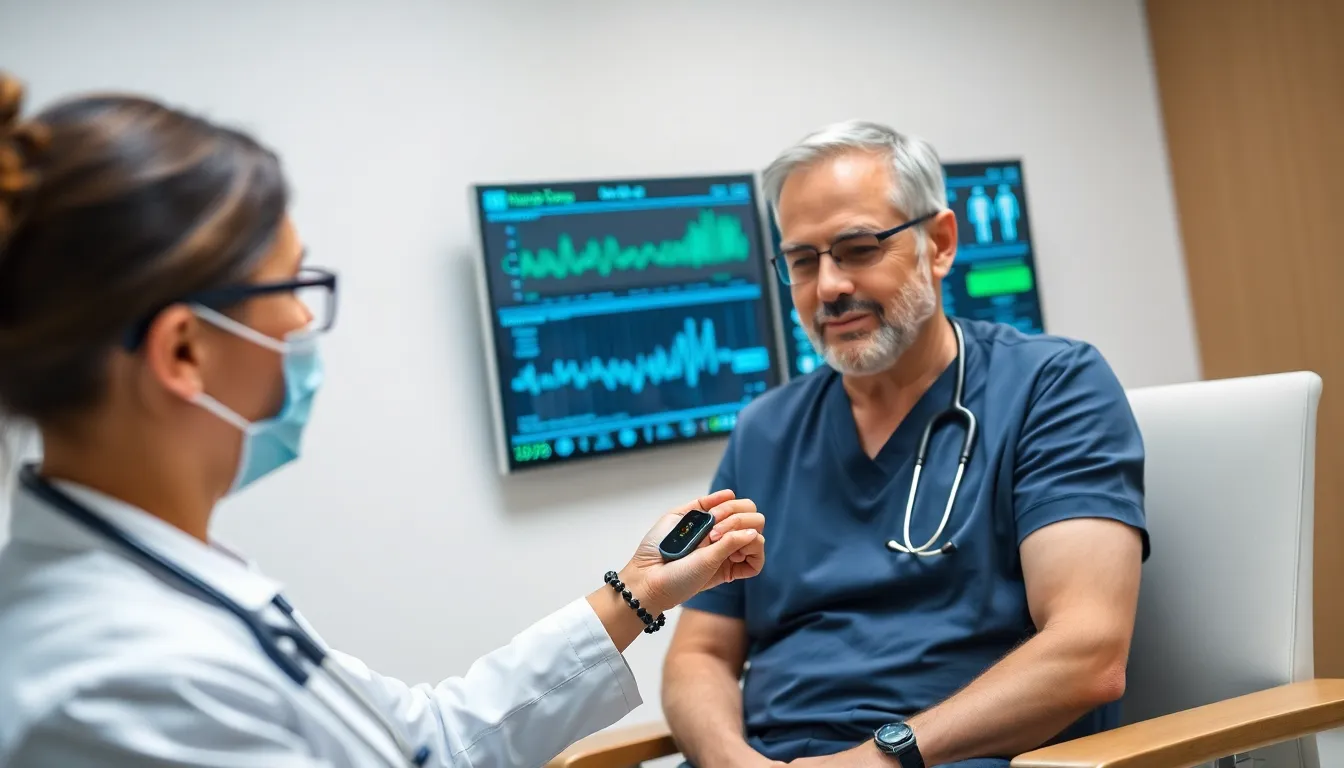
IoT integration in clinical settings brings substantial advantages, particularly in patient care and operational performance.
Enhanced Patient Monitoring
IoT devices enable continuous tracking of vital signs. Sensors placed on patients can collect real-time data, reducing the need for frequent in-person evaluations. Enhanced sharing of patient data among healthcare teams promotes timely and informed decision-making. Alerts for abnormalities ensure quick responses, potentially saving lives. Wearable technology allows patients to monitor their health outside of clinical environments, fostering proactive management of conditions. Consequently, this engagement increases patient adherence to treatment plans.
Improved Operational Efficiency
IoT streamlines clinic workflows. Connected devices reduce administrative burdens by automating routine tasks, such as appointment scheduling and inventory management. Data analytics provide valuable insights into patient flow and resource utilization, helping clinics optimize staffing and reduce wait times. Systematic data collection improves billing accuracy and minimizes human errors. When devices communicate efficiently, clinicians experience fewer interruptions, allowing them to concentrate more on patient care. Overall, these enhancements contribute to a smoother operational landscape in clinics.
Challenges in Implementing IoT for Clinics
Implementing IoT technology in clinics presents various challenges that require careful consideration.
Data Security and Privacy Concerns
Data security remains a foremost concern when clinics adopt IoT systems. Health data breaches can compromise patient privacy, leading to significant legal and financial repercussions. Protecting sensitive information necessitates robust encryption methods and secure data storage solutions. Compliance with regulations such as HIPAA becomes essential, requiring clinics to routinely assess their security measures. Additionally, patient trust hinges on the assurance that their information is safe. Establishing reliable authentication protocols helps mitigate unauthorized access, allowing clinics to focus on providing quality care without compromising confidentiality.
Integration with Existing Systems
Integration with existing systems poses another significant challenge for clinics. Many clinics use legacy systems that may not be compatible with new IoT technologies. Seamless integration requires thoughtful planning, which often involves upgrading hardware or software. Assessing current infrastructure helps identify compatibility issues early, facilitating smoother transitions. Clinics must invest in interoperable solutions that allow different devices to communicate effectively. Collaboration with technology vendors aids in addressing these complexities, ensuring that new digital tools enhance rather than disrupt existing workflows. Ensuring staff receive adequate training on new systems also supports successful adoption.
Case Studies of IoT Applications in Clinics
Various case studies exemplify the successful implementation of IoT in clinical settings, showcasing enhanced patient care and operational efficiency.
Remote Patient Monitoring
Remote patient monitoring employs IoT devices to track patients’ health metrics in real-time. Clinics use wearables to collect data on heart rates, blood pressure, and glucose levels. This information enables healthcare professionals to intervene promptly when abnormal trends arise. For instance, a clinic in Chicago reported a 30% reduction in hospital readmissions after integrating remote monitoring. Patients benefit from increased engagement in their health, leading to improved compliance. Telehealth platforms also facilitate consultations based on monitored data, promoting timely care. These advancements help clinicians tailor treatment plans and ensure better health outcomes for their patients.
Automated Inventory Management
Automated inventory management utilizes IoT systems to streamline supply chain processes within clinics. Smart sensors continuously monitor stock levels of medications and medical supplies, providing real-time data to inventory managers. A notable case involved a clinic in Los Angeles that cut its supply costs by 25% through effective inventory tracking. Alerts notify staff when supplies reach predefined thresholds, preventing stockouts and minimizing waste. Utilizing cloud-based platforms allows for seamless integration with other operational systems. Therefore, clinics can maintain optimal stock levels and allocate resources efficiently, ultimately focusing more on patient care.
Future Trends in IoT for Clinics
Innovation in the Internet of Things (IoT) continues to shape the future of clinics. Rapid advancements in technology are enhancing healthcare delivery and improving patient outcomes.
Advancements in Technology
Smart devices are becoming more sophisticated, featuring enhanced sensors and better connectivity options. Increased integration with artificial intelligence enables predictive analytics, allowing clinicians to make informed decisions swiftly. Wearable technologies monitor vital signs accurately and provide real-time data to healthcare providers. Mobile health applications enhance patient engagement by offering personalized health insights and reminders. Blockchain technology is boosting data security, ensuring that patient information remains confidential and immutable.
Potential Impact on Healthcare Delivery
IoT’s influence on healthcare delivery promises significant transformations. Improved data sharing between devices enables coordinated care and seamless communication among providers. Clinics can reduce wait times as IoT devices automate routine tasks and scheduling. Remote monitoring contributes to proactive health management, lowering hospital readmission rates significantly. Enhanced analytics help clinics tailor treatment plans based on real-time patient data, improving overall health outcomes. Empowered patients are more likely to adhere to treatment plans when actively involved in managing their health through connected devices.
Conclusion
The integration of IoT in clinics is paving the way for a transformative healthcare experience. By enabling real-time monitoring and enhancing communication among healthcare providers, it’s streamlining operations and improving patient care. While challenges like data security and system integration exist, the benefits far outweigh the hurdles.
As technology continues to evolve, clinics that embrace IoT will likely see significant improvements in patient outcomes and operational efficiency. The future of healthcare is bright with the promise of IoT, ensuring that clinics can provide more personalized and proactive care. This innovation is not just a trend; it’s a necessary evolution in the quest for better health management.


